

Crude Intentions
Marine Biologics’ Seaweed-as-a-Service Paradigm

After floating to the bottom of lakes and oceans over millions of years, and with some added heat and pressure, ancient algae and zooplankton broke down and transformed into the goopy black substance we rely on today for fuel and raw materials.
To paraphrase Jefferson Starship, “🎼We built this city. We built this city on dead al-gae 🎵”
We call it petroleum, or crude oil. But chemically, petroleum is actually more like crude algal oil. We omit the algae part, but the simple mixture of hydrocarbons found in crude oil is just what happens when you compress and heat the complex lipids and other organic compounds found in algal oils over a (very very) long time. But the fundamental chemical building blocks and molecular signatures found in the lifeblood of the Anthropocene1 are directly linked to ancient algae.
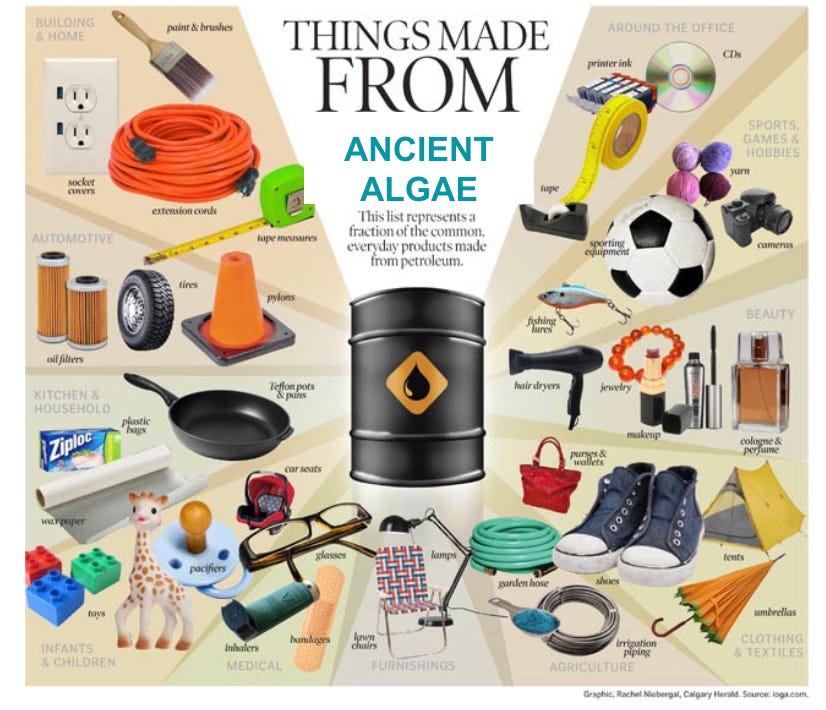
There’s nothing wrong with petroleum per se, but the way we’re using it is a problem. It’s literally embedded in the fabric of modern life. We extract it, spill it, burn it, breathe it, mold it, ingest it, and litter it across land and seascape. And despite the fact that it’s a finite resource, there’s no clear plan to stop doing so (yet). It’s so damned useful that it’s damned us to its use.
We even have to use the systems that petroleum built to make any alternatives economically viable for adoption by industrial capital. As a feedstock, crude has to be beaten at a game that was invented for it to win.
Faced with this challenge, Marine Biologics says: I sea you, and I raise you.
If we were in an elevator, I’d tell you that Marine Biologics uses advanced machine learning and green chemistry to transform macroalgae into an innovation platform for consistent, clean ingredient systems at an industrial scale. Or I might just say: “they’re using AI to make commercial chemicals with seaweed” (especially if we were in a low-rise).
Then you’d probably say, “Wow, that sounds amazing! Sounds like you practiced that! I wish we weren’t on an elevator so we could really dig into what that actually means… Well, this is me!” [Doors open, vague commitments for coffee, scene].
Apparently, investors never take the stairs… But luckily, The Blob is not constrained to the space-time of limitations of the elevator!
So if you want to know more about how seaweed “omics” and AI are powering the clean label “crude-sade”, consider this your post-elevator coffee date (with an extra shot of cartoon 🙃).
Let’s start with the challenge, and a quick trip to the Alaskan coast.
Merroir Detectives
What’s so darn hard about converting farmed seaweed into a commercial product? Why can’t we just go from farm to pharma? Or in other words, what’s the fucoidan problem?
Heraclitus said the same person never steps in the same river twice. 2Unfortunately, the same concept applies to suppliers of macroalgae for clean-label food and beauty products. The marine environment is not some stagnant monolith. Water moves, temperatures change, nutrients shift (everywhere and all at once).
Over time and even within close proximity on the same seaweed farm, the chemical composition of macroalgae can vary in notable ways. It’s this variability that’s become a primary challenge for seaweed supply chains.
In order to better understand this challenge, the Alaska Mariculture Cluster devised a Seaweed Tissue Analysis Program, for which Marine Biologics served as a Lead Contractor for “Project #2”, focusing on data consulting and analysis.

The program involved intensive, multi-layered chemical analysis of Alaskan seaweeds, primarily focusing on brown seaweed species such as bull kelp, ribbon kelp, and sugar kelp.
For “Project #1,” an external lab (Celignis) conducted over 40 different analyses on seaweed samples from Kodiak and Sitka late Spring/early Summer, 2024. This comprehensive testing assessed numerous components, ranging from basic macronutrients to specialized metabolites.
Marine Biologics in “Project #2” was responsible for interpreting and synthesizing the trove of seaweed data generated. This analytical role involved producing species profiles, a comprehensive data set, and technical memos. Specifically, their research was designed to evaluate how nutritional, structural, and bioactive compounds vary by season, location, and species.
And that variability is the protean core of seaweed’s commercial challenges.
Ch-ch-changes (Turn and Face the Strain)
There are a few key factors to the variability challenge for macroalgae, and they’re all intertwined (aquaculture pun intended).
The most fundamental source of variation is the species itself. There are more than 12,000 species of seaweed, but only 12 of these species are farmed at a commercially relevant scale (> 1 tonne wet weight), accounting for about 95% of all global seaweed production. And all of these twelve species fall into 5 species groups (Eucheumatoids, Saccharina, Undaria, Pyropia, Gracilaria). This commercial diversity gap represents a ripe potential for novel molecules and functionalities.3
But even within the relatively small subset of commercial seaweed species, each have fundamentally different chemical compositions, making them suitable for different applications. For example, each of the five main seaweed species groups is cultivated for unique properties, such as the production of alginate, agar, carrageenan, cellulose, fucoidan, and laminarin.
Here’s a simple, at-a-glance look at the big three seaweeds and their respective lead polymers:
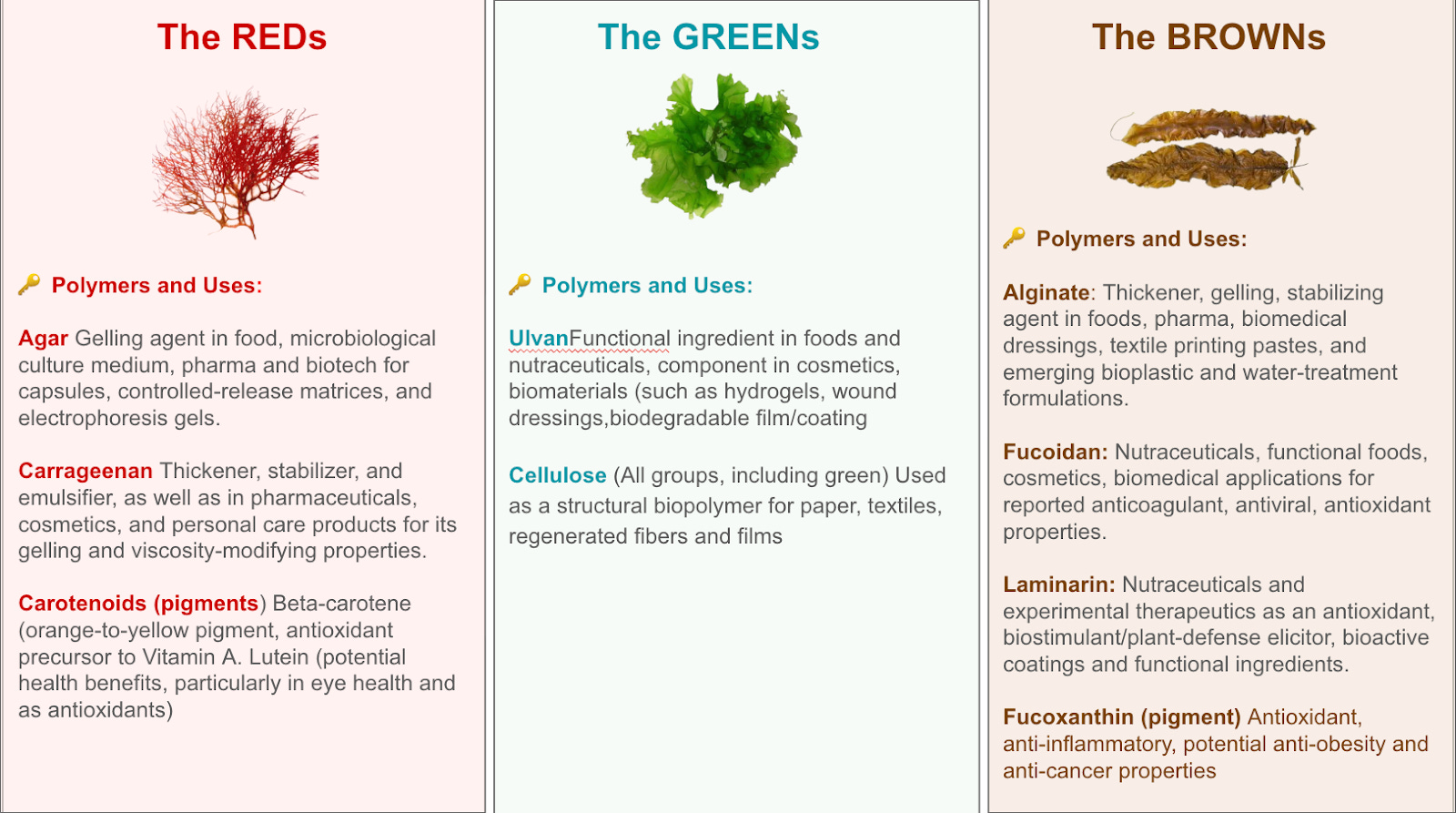
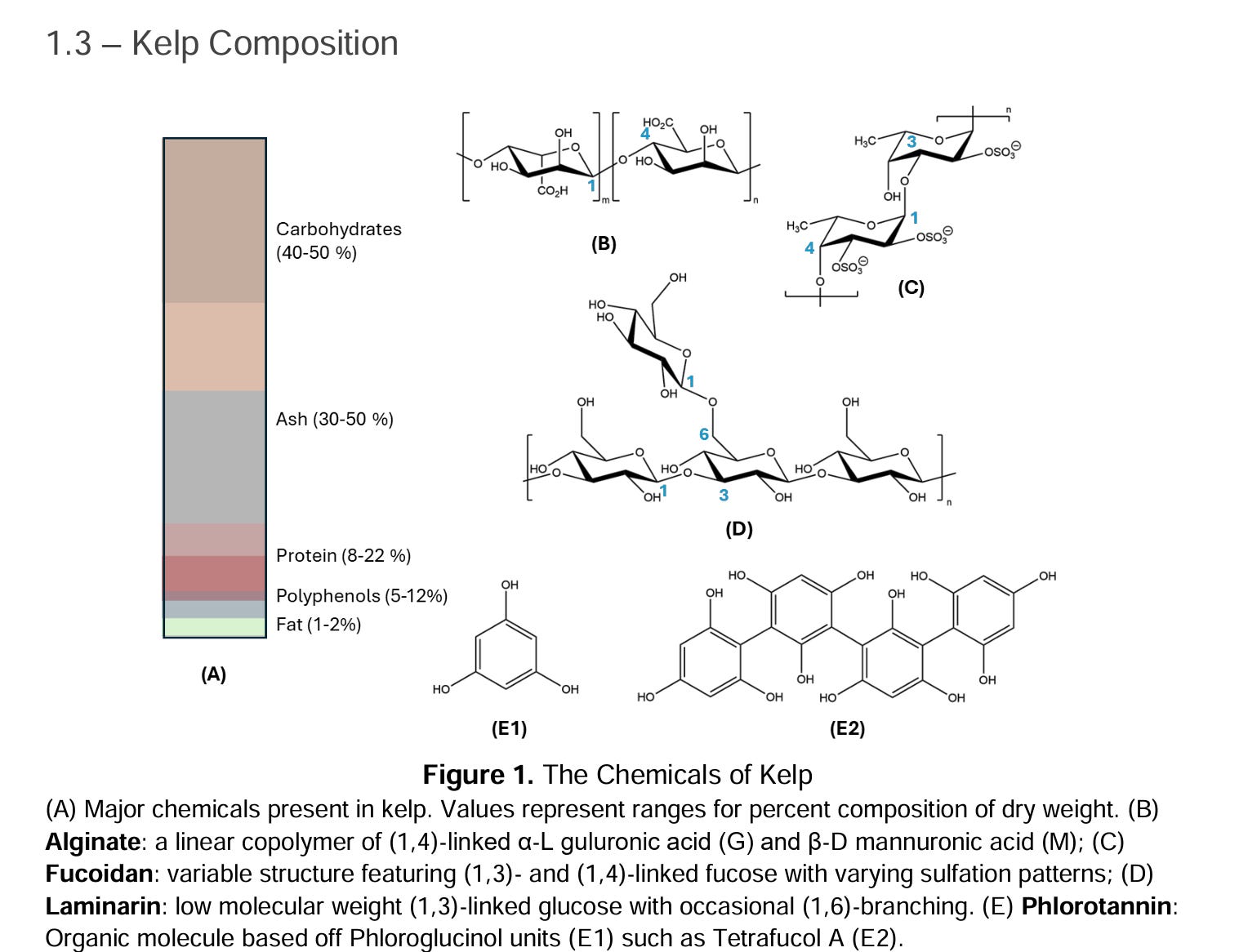
The chemical makeup of kelp, for example, (part of the brown, Saccharina group) changes dramatically throughout the year, driven by natural growth and energy storage cycles. The content of alginate, which has wide commercial use as a hydrogel and for downstream products such as bio-plastics and fibers, is highest in the spring and early summer. In contrast, storage carbohydrates like laminarin accumulate during the summer and autumn to provide energy for new growth in the winter. Protein content follows an opposite trend, peaking in the winter when ambient nutrients in the water are more available and dropping to its lowest levels in the summer.
So it matters what species you’re growing, when, and, very specifically, where, as the water column surrounding the seaweed directly impacts its growth and chemical profile. For instance, what is the nutrient availability of the site? It’s one of the key questions that sunk Running Tide (before they could do any sinking themselves). TL;DR: Try to solve for low nutrient availability in the open ocean before promising the moon.
Studies on Giant Kelp have found that total carbohydrate levels are negatively correlated with nutrient availability in the surrounding water, demonstrating a direct link between the environment and the plant’s internal chemistry (Zimmerman et al., 1986 via Serin, 2024). And even year-to-year, it’s been shown that environmental factors such as temperature, changes in light, or exposure to waves and currents can have drastic effects on the laminarin and alginate levels between harvests of brown seaweeds. (Bajwa, et al 2024)
Understanding the main factors in the variability challenge is one thing. And it’s been known, at least generally, for a long time that the merroir, if you will, is not as manageable or predictable as the terroir. Over time, the soil on your land-based farm will not travel the world, for example.
And manufacturers from food to pharma need consistent, reliable raw materials and chemicals that are proven to suit their purposes, batch to batch. Like, say, crude oil. The solution requires a lot of data, advanced analytics, effective biomass processing, and novel chemical engineering powered by machine learning. And many of the requisite technologies to produce such a comprehensive platform have been unavailable to us collectively. But with the tides of AI lifting capabilities with regard to analysis and discovery, perhaps the seaweed industry can finally rise to the challenge.
Marine Biologics approach is as sophisticated as the challenge calls for, ultimately comprised of three interrelated phases. First, map the seaweed (with a galleon of data and their MacroLink™ API), then stabilize the seaweed (as a “SuperCrude” slurry), and finally program/assemble the chemical slurry for industry (again, with the help of MacroLink™).
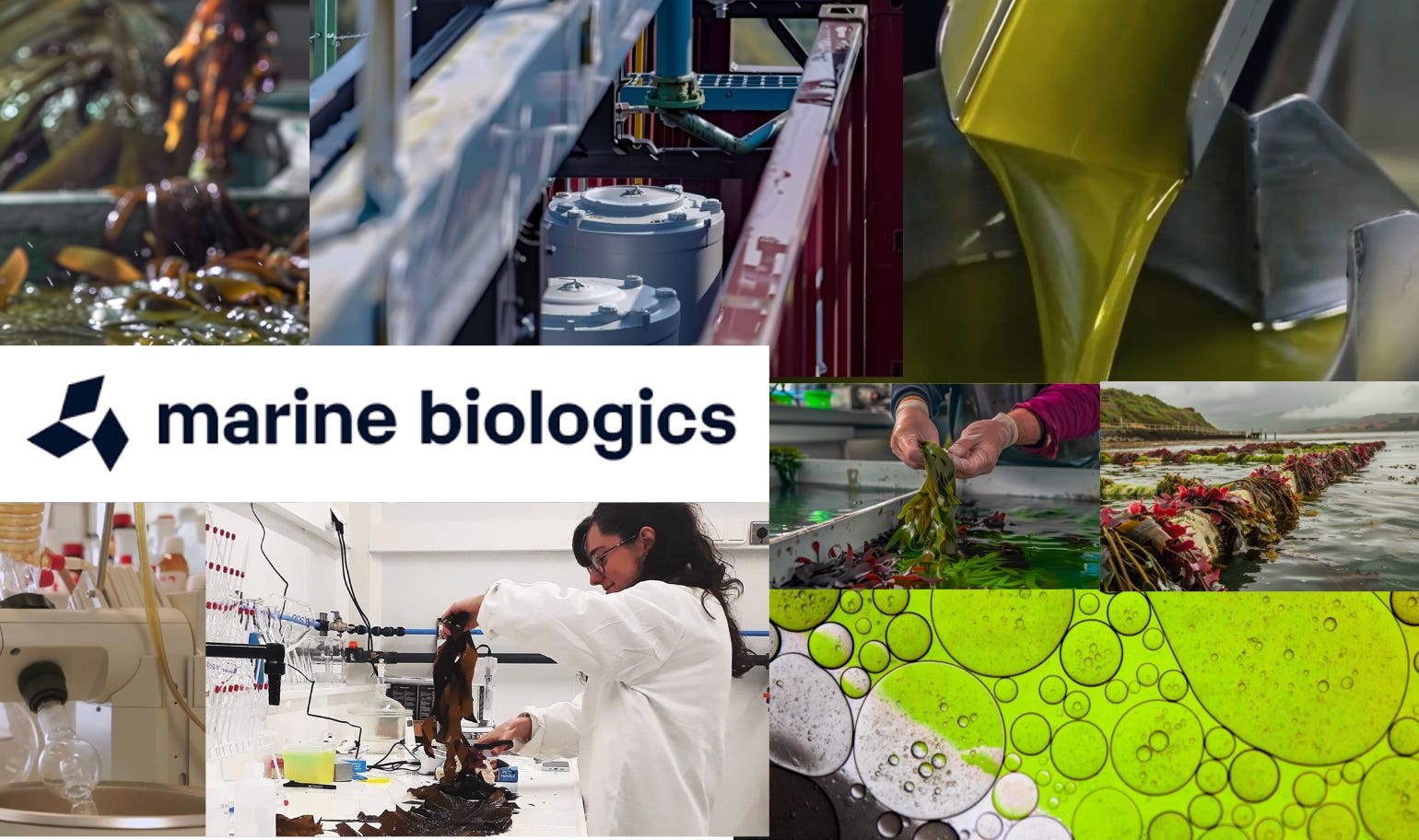
Let’s start with the mapping part, and MacroLink™, the data engine powering Marine Biologics’ “programmable biomass.” If you need a “proprietary biochemical data warehouse” for seaweed biomass, how would you go about filling it? For the answer, we’ll take a brief detour through the wonderful world of omics.
Phase 1: Saccharina Intelligentia
[Blob Disclaimer: Marine Biologics owns the secret sauce. I’ve got no insight into the proprietary nature of MacroLink™ (or any of their products) and am speaking in generalities here. Picture an early aviation fan equipped with a library card, trying to explain the news from Kitty Hawk to a group of their friends. A truly fun way to learn more about the actual IP might be to become an investor 🥳.]
Although Marine Biologics emphasizes the integration of cheminformatics, predictive modeling, AI, and structure-function simulations within its MacroLink™ platform, I think it’s helpful to talk about the biological data and “omics” that these tools rely on. Data collection and synthesis are the backbone of the seaweed “mapping” process and the core of Marine Biologics’ competitive advantage.
Omics refers to disciplines (that end in the suffix- “omics”) that study entire sets of biological molecules, providing a holistic, systems-level view of an organism’s molecular machinery. By simultaneously measuring the entire collection of genes (genomics), active gene transcripts (transcriptomics), proteins (proteomics), and metabolites (metabolomics), this multi-layered approach can create a detailed molecular map of macroalgae, showing not just what seaweeds can do, but what they’re actually doing (and maybe, how to influence that).
By integrating these layers, Marine Biologics can get a holistic picture of the biological system and identify the drivers of production. Classical macroalgan’omics.
Genomics: Seaweeds’ “Blue”print
Genomics is the study of an organism’s complete set of DNA, including all of its genes and their functions. By reading (sequencing) all of its DNA, Genomic analysis, including tools like gene mining, identifies novel genes responsible for producing high-value compounds with potential therapeutic or industrial applications. For example, genes involved in the production of enzymes necessary for carrageenan or fucoxanthin synthesis can be identified through genomic analysis.4
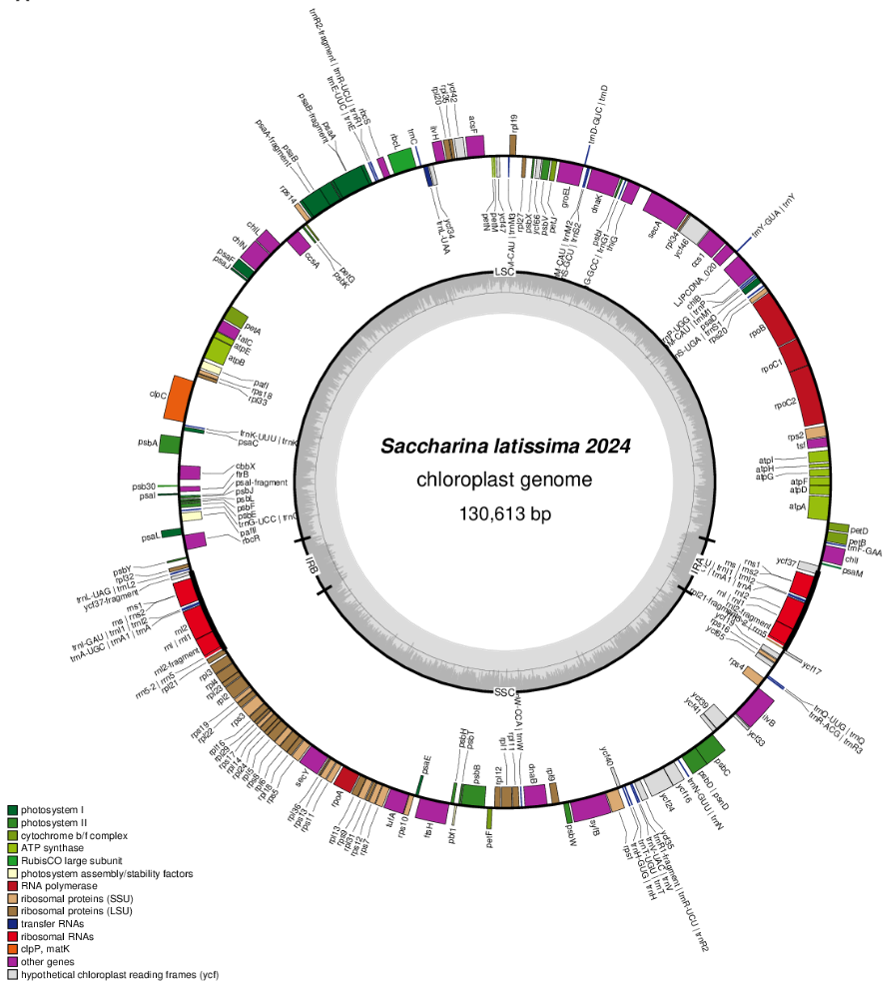
High-quality reference genomes are key for the analysis of any subsequent omics dataset and can help guide the selection of enhanced strains for cultivation. Luckily, the high-quality reference genome from Saccharina latissima (Sugae Kelp) has recently been published! As recently as May 2025, a group of researchers published the fully mapped sugar kelp genome, providing a common coordinate system of genes across strains and regions. This kind of reference helps to select for traits such as yield, stress tolerance, heat resistance, and disease resistance. This data could be a cornerstone for a more resilient aquaculture stock from commercial nurseries, and for product discovery from tools like MacroLink™.
And some of these gene-edited strains are already being piloted on farms across the US (which I was lucky enough to see in person recently).5
Transcriptomics: Read Receipts
While genomics shows what is possible, transcriptomics reveals which genes are “turned on” or “turned off” at any given moment, or the patterns of gene expression (mRNA) at a given time, under specific conditions. This layer of the suite of omics helps researchers understand how the seaweed is responding to its environment and ways to approach optimizing cultivation conditions.
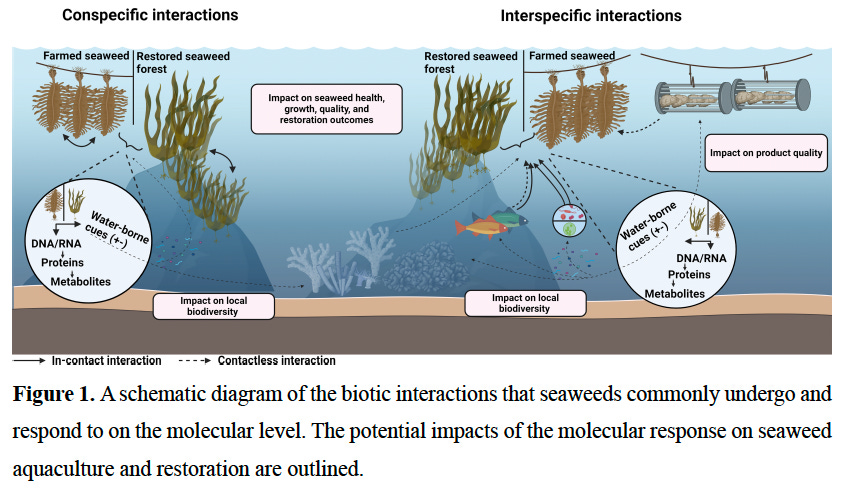
For example, some research on Asparagopsis taxiformis (based on research by Lang, et al.) demonstrates that culturing the seaweed at high densities in land-based tanks induces a significant stress response. This stress leads to the downregulation of genes related to vital processes like photosynthesis and the simultaneous upregulation of defense-related genes. Basically, if you crowd this specific seaweed, it shuts down, and (basically) poisons itself. This and other insights about the gene expression resulting from the environment are helpful for fine-tuning cultivation parameters (especially in a more enclosed systems -- looking at you, Oregon Seaweed).
Together, the two approaches work hand-in-hand to populate the Marine Biologics data warehouse with genetic potential to real-world outputs data.
Proteomics: Workforce Development
While genomics identifies the organism’s full set of genes and transcriptomics tells you which genes are “turned on,” proteomics validates whether those genes are actually being translated into functional proteins. It offers a direct measure of the actual proteins and peptides that drive some of seaweed’s most commercial functions, such as emulsification, gelling, and cellular adhesion. This analysis is a way to understand the mechanisms behind a desired trait.
It also catches changes that DNA and RNA might not account for, such as chemical tags added after a protein is made that switch protein activity on or off (post-translational modifications). In the lab, mass spectrometry can be used to identify and measure these proteins. Teams often track a handful of key protein indicators that predict texture, stability, and shelf life. Those simple readouts guide when to harvest, how to process and store the seaweed, and whether a batch meets the same standard as last time, connecting what’s in the genes to what customers actually feel and taste.
Metabolomics: The Chemical Product
Metabolomics measures the complete set of small-molecule chemicals (known as metabolites) present in cells at a given time. It completes the molecular map by analyzing the final chemical output. Unlike transcriptomics (which measures intent) or proteomics (which measures machinery), metabolomics measures actual output. It answers the question: “What chemicals are this algal strain actually producing?”
This allows us to identify key metabolites relevant to biopolymers like alginate, fucoidan, and laminarin, which is essential for predicting and optimizing their functional properties. As the ultimate chemical readout, it’s not surprising that in specific areas of seaweed research, omics studies targeting metabolites are much more common than those examining the roles of genes and proteins, at 70%, 22%, and 8%, respectively (Lang et al., 2024).
All of the data from these multi-omics sources, in theory (see disclaimer), is housed with additional data sources to help build out a full proprietary biochemical data warehouse. Marine Biologics Chief Science Officer Spencer notes that Marine Biologicss are not as focused on genetic or the associated omics (transcriptomics, genomics, proteomics) “YET,” and that they are mostly in the metabolomics space.6
Other types of data include seaweed metadata, such as species, taxonomy, and genetic background, and any site-specific farm conditions (where available), such as multi-parameter water quality data, local weather data, planting and harvest dates, yield, etc.
Phase 2: Seaweed Goo.0
In order to translate the value of the data warehouse into a commercially attractive product, you need a freshly processed, stabilized seaweed; the physical feedstock. This is where Marine Biologics’ SuperCrude™ enters the mix.
The stabilization process centers on turning high-quality raw seaweeds into a liquid, consistent “crude” feedstock. The allusion to crude oil and the oil and gas industry is equal parts cheeky and conceptually useful. It’s simultaneously subverting the language of the oppressor, as it were, and proferring a value proposition.
To begin with, Marine Biologics needs commercial-ready seaweeds from food-grade waters. Alaskan brown seaweeds are a great sourcing location (especially given the established data sources and Alaskan Mariculture relationships), but in theory, the source could be geographically agnostic.
Upon harvest the seaweed would then go through a minimal “wet processing,” wherein the raw seaweeds would be liquefied in batches and put through a “light touch” process. The final stabilized material is a liquid, characterized as a very fine goo or a sludge, which the company refers to as SuperCrude™.
The title of this Blob article is actually inspired by an exchange I saw in a WIRED piece, interviewing CEO Patrick Griffin and CSO Spencer Serin:
Griffin describes the resulting concoction as a very fine goo or a sludge. “Our science guys like to call it SaaS—sludge-as-a-service,” Griffin says.
I ask chief science officer Serin about this phrase and he balks. “He called it that?” Serin says with a grimace. “I did not, that is definitely Patrick’s, he came up with that!”
The exact “light” stabilization process is only known to the Marine Biologics team, I believe. Protected IP that I can’t say I know anything revealing about it. But the use of outcome apparently allows the crudes to keep for a year or more, which is unheard of for lightly processed seaweed.
The predominant processing technique for seaweeds today involves either direct sunlight or harsh convection drying, lowering freshly harvested moisture content from 80-90% to somewhere below 10-15% for long-duration storage. Think of your dried kombus for stocks, dried seaweed snacks, and nori sheets. Those products can last for years on the shelf, but the high temperatures and/or long processing times required can also degrade high-value compounds. So dried seaweed is not the optimally nutritious or therapeutic delivery medium.
Also, the traditional approach can result in large amounts of seaweed biomass becoming residual waste, rather than being fully utilized in a biorefinery model. Grinding can help (increasing the surface area to volume ratio), and is often used as a soil amendment. And freezing can preserve the chemical composition (at least until thawing…), but it’s also delicate work that requires decent capex at scale. Think about all of those freezers, optimizing the thawing of all those weeds. It’s also important to note that all of these processes are basically imported from other aquaculture verticals (deep-sea fishing) or directly from agriculture.
SuperCrude is a stabilization technique customized to the crop.
This liquid stabilization eliminates the variance, waste, and instability often associated with seaweed, guaranteeing that the biomass has a consistent, benchmarked chemical composition while avoiding the loss of the valuable compounds coveted by industry that can come with traditional processing.
So now we have two warehouses loaded up -- a data warehouse and a biomass warehouse, primed for assembly and delivery. In keeping with the petro-parallels, it’s high time for a bit of refinement.
Phase 3: From Kelp Line to Assembly Line
Of course, it’s not really a party these days without advanced computational tools and artificial intelligence. And that’s exactly how SuperCrude™ goes from generic goo to custom-spec slurry.
The assembly process works by taking the stabilized liquid SuperCrude™ and very precisely blending with the help of MacroLink (based on the data from the vast biochemical data set) to ensure the final product delivers specific, predictable functional properties needed by manufacturers.
The process is less about chemically altering the liquid biomass at this stage and more about achieving the desired functionality through precise, data-driven ingredient mixing.
The customization begins not in a factory mixer, but in the proprietary computational platform, MacroLink™. This platform is the “brain” that guides Phase 3, ensuring the final SuperCrude formulation performs exactly as required.

MacroLink™ uses advanced computational tools, including Artificial Intelligence (AI) and machine learning (ML), combined with physics engines like Cebule™, to analyze all the molecular data we described (or hypothesized) in Phase 1.
The Cebule™ physics engine, by the way, is Marine Biologics’ recent quantum-enablement. In September 2025, Marine Biologics announced a strategic partnership with Molecular Quantum Solutions (MQS) to incorporate their Cebule™ module into the MacroLink™ AI platform. This integration of quantum-powered modeling and machine learning is designed to accelerate ingredient discovery, dramatically compressing development timelines from years to months for functional materials in food, cosmetics, and biomaterials.
Think of SuperCrude™ as a reservoir of functional molecules (like polysaccharides, proteins, and minerals). Customers or product developers can “query” MacroLink™ by requesting specific desired features or functionality (such as taste and mouth-feel or a target viscosity range for stabilizing cocoa particles). The platform then calculates the optimal/ precise dosing of these elements in combination and delivers a ratio of liquid seaweed concentrates needed to achieve that target.
Would you like your chocolate milk to achieve a target viscosity and sucrose level? Looking for a sunscreen lotion that resists water wash-off without a waxy drag? How about a gummy bear that bites cleanly but doesn’t stick to your teeth? There’s a SuperCrude™ for that.
Key-weed
If you can control and consistently provide the physical properties that make macroalgae promising, well, you’re well on your way to delivering on seaweed’s long-held (and never fully realized) industrial promise. And better still, the final assembled mixtures are standardized ingredient systems that manufacturers can plug directly into existing mass manufacturing processes.
AI, Plug-and-play, Seaweed, Data moat, Proven industries… are you getting?
By taking seaweed and converting into a “programmable” biological system ready for industry, we can move from harvesting and hoping to really making an industrial-scale impact.
As a seaweed obsessive and a techno-optimist, I’m typically at risk of hyperbole. But Marine Biologics seems to be building something with very exciting network effects, all with advanced and novel tools, using an ancient organism.
Seaweed provides the properties. The omics/data suite provides the map. The AI/ML/Quantum engine provides a formula. And while the beachhead opportunities might be in health and wellness, the discovery and delivery engine could have impacts in food, materials science, pharmaceuticals, nutraceuticals, and more.
I would say this is a keystone solution for the next generation of the bio-economy, but, well, it’s already here, isn’t it?
The Cartoon 🙃

The Papers 🗞️
Tomas Lang, Scott F. Cummins, Nicholas A. Paul, Cecilia Pascelli, Alexandra H. Campbell (2025). The meta-transcriptome of a seaweed holobiont in culture: Linking gene expression with growth and senescence, Algal Research, Volume 85, 2025,103834, ISSN 2211-9264
Lang, T., Cummins, S. F., Paul, N. A. & Campbell, A. H. (2024). Molecular responses of seaweeds to biotic interactions: A systematic review. Journal of Phycology, 00, 1–22.
O. Mykhalevych, H. Stapelfeldt, F. Marini, R. Bro, Chemometric insights into milk-carrageenan breaking and gel strength, Food Hydrocolloids 158 (2025) 110544.
Adarshan, S., Sivani Sree, V. S., Muthuramalingam, P., Nambiar, K. S., Sevanan, M., Satish, L., Venkidasamy, B., & Shin, H. (2023). Understanding Macroalgae: A Comprehensive Exploration of Nutraceutical, Pharmaceutical, and Omics Dimensions. Plants, 13(1), 113.
Bajwa, B., Xing, X., Serin, S. C., Hayes, M., Terry, S. A., Gruninger, R. J., & Abbott, D. W. (2024). Characterization of Unfractionated Polysaccharides in Brown Seaweed by Methylation-GC-MS-Based Linkage Analysis. Marine Drugs, 22(10), 464.
Colusse, G. A., Carneiro, J., Duarte, M. E. R., Ranga Rao, A., Ravishankar, G. A., de Carvalho, J. C., & Noseda, M. D. (2022). Challenges and Recent Progress in Seaweed Polysaccharides for Industrial Purposes. In G. A. Ravishankar & A. Ranga Rao (Eds.), Sustainable Global Resources of Seaweeds Volume 2 (pp. 411–431). Springer International Publishing.
DeWeese, K., Molano, G., Calhoun, S., Lipzen, A., Jenkins, J., Williams, M., Plott, C., Talag, J., Grimwood, J., Jannink, J.-L., Grigoriev, I. V., Schmutz, J., Yarish, C., Nuzhdin, S., & Lindell, S. (2025). Scaffolded and annotated nuclear and organelle genomes of the North American brown alga Saccharina latissima. Frontiers in Genetics, 16:1494480.
Lang, T., Cummins, S. F., Paul, N. A. & Campbell, A. H. (2024). Molecular responses of seaweeds to biotic interactions: A systematic review. Journal of Phycology, 60, 1036–57.
Lang, T. (2025). Application of omics to elucidate the principles of interactions in the Asparagopsis taxiformis holobiont [Ph.D. Thesis]. University of the Sunshine Coast, Queensland.
Serin, S. C. (2024, January). Alaska Kelp Processing: Technical Report on Technology, Market, and Regulatory Considerations. Technical Report prepared for Southeast Conference and the Alaska Mariculture Cluster, Marine Biologics.
Ataman, D. (2025, April 1). Into the weeds: Marine Biologics’ data unlocks seaweed’s potential. Food Navigator-USA.
Ashworth, B. (2025, March 6) This Goopy Seaweed Slurry Could Make Its Way Into Your Lunch, Your Shirt, and Your Lipstick. Wired Magazine.
Frank, G.E. (2025, May 15) Seaweed Can Replace Fossil Fuel-Derived Ingredients in Everyday Products. TriplePundit
Swayne, M. (2025, September 19). Marine Biologics Partners with Molecular Quantum Solutions to Accelerate Next-Generation Biomaterials Development. The Quantum Insider
Apologies in advance to the person I inevitably end up talking to about the post-anthropocene
He probably also invented “third time’s the charm,” but nobody wrote that down.
https://seaweedinsights.com/global-production/
If you want to go down a rabbit hole with regard to how instructions are actually communicated (the electrical interstitial messages that operate within DNA), definitely check out the Levin Lab at Tufts. I just came across their work via the Grow Everything Podcast and am intrigued to say the least.
I know of a farmer in Long Island piloting lines of WHOI heat-resistance strains!
Serin on metabolomics first: “The strength of our metabolomic first approach is that it can support the broader multi-omics methods since we have a large database that users can identify main species for chemicals of interest that can guide those future omics campaigns.”
This article comes at the perfect time. How to transition? Insightful.